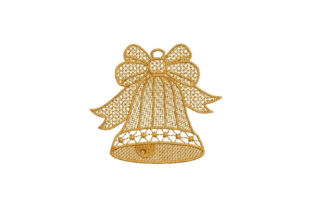
Lace Bell: A Craft Fair Embroidery Review
As an experienced embroidery designer preparing for the upcoming holiday market season, I approach every new machine embroidery design with a critical eye toward production efficiency and retail appeal. When evaluating the Lace Bell design specifically for free-standing lace (FSL) ornaments, my primary concern is not just how beautiful it looks on screen, but how it translates into a tangible craft fair product that customers will pick up, admire, and purchase. This review breaks down the practical realities of stitching this design for commercial sale, focusing on booth presentation, batch production, and customer perception.
First Impressions and Booth Presence
The Lace Bell immediately reads as elegant, nostalgic, and premium. Unlike cartoonish or overly modern holiday motifs, this design carries a sense of heirloom quality that appeals to shoppers looking for meaningful decor rather than disposable trinkets. In a crowded craft fair environment where visual noise is high, the intricate texture of FSL creates a natural focal point. Customers are often drawn to items they can touch, and the dimensional nature of a lace bell invites interaction.
For an Etsy seller or boutique maker, this aesthetic versatility is crucial. The Lace Bell bridges the gap between farmhouse rustic and Victorian elegance, making it suitable for diverse branding styles. It does not feel cheap or mass-produced; instead, it signals skilled craftsmanship. However, because it is a standalone ornament, its success relies entirely on execution. There is no fabric base to hide behind. If the tension is off or the rinse-out process was rushed, the flaw is immediately visible. Therefore, this design demands respect during the digitizing and stitching phases to maintain that premium first impression.
Production Viability for Market Sellers
When planning inventory for a weekend show, time management is everything. Free-standing lace designs like the Lace Bell require specific attention to stitch density and stabilization. The product description suggests using two layers of water-soluble vilene, and as a professional, I cannot stress enough that this is not a suggestion—it is a requirement for structural integrity. Skipping this step to save money or time will result in flimsy ornaments that warp after washing, leading to returns and negative reviews.
From a batch production standpoint, this design is highly repeatable once your settings are dialed in. Because FSL uses the same stabilizer throughout, you do not need to swap hoops or change backing materials between colors, which streamlines the workflow. This makes it an excellent candidate for filling gaps in your production schedule. While your main machine runs a complex tote bag design or apron embroidery, a secondary machine can churn out Lace Bell ornaments with minimal supervision.
However, sellers must verify the hoop size before committing to bulk production. Ensure your hoop provides adequate clearance for the design plus safety margins. FSL designs often have registration marks or basting boxes that extend beyond the visible motif. Always check the specific dimensions in the embroidery file metadata to avoid mid-stitch errors that waste expensive thread and stabilizer.
Product Applications Beyond the Ornament
While the Lace Bell is designed as a free-standing piece, creative entrepreneurs should consider how it integrates with other inventory to increase average order value. As a standalone item, it sells well as a tree ornament or gift tag. But to maximize ROI, consider these applications:
- Premium Gift Packaging: Use smaller versions of the Lace Bell as decorative accents on tea towel embroidery sets or handmade candle bundles. This elevates a simple product into a luxury gift set.
- Mixed Media Displays: Pair the lace bell with velvet ribbons or wooden beads. The contrast between soft lace and organic textures enhances the perceived value of both materials.
- Digital Product Listings: For those selling the digital embroidery file itself, create a printable mockup showing the bell in various colorways. Buyers need to visualize the end result to trust the design assets.
- Seasonal Bundles: Combine the bell with other FSL elements to create wreath components or table runner accents, encouraging customers to buy multiple files or finished goods.
It is important to note what this design is not suitable for. Due to its delicate structure and reliance on water-soluble foundation, do not attempt to stitch this directly onto thick terry cloth towels, curved caps, or stretchy knits without significant modification. The fabric texture of standard apparel will distort the lace pattern. Keep this design reserved for FSL or stable woven fabrics if adapting for patches.
Critical Technical Considerations
Success with the Lace Bell hinges on technical precision. Before listing any finished product for sale, you must address the following variables:
- Stabilizer Quality: Not all water-soluble toppings are created equal. Heavy-weight vilene is necessary for the two-layer recommendation. Lightweight film will likely fail under the high stitch count required for structural lace.
- Thread Selection: Polyester thread offers durability and sheen, which is ideal for ornaments that may be handled frequently. Rayon provides a softer luster but may be less forgiving during the rinsing process. Test both to see which complements your brand aesthetic.
- Rinsing Protocol: Residual stabilizer causes stiffness and yellowing over time. Develop a consistent soaking and drying routine. Air drying flat is usually safest to prevent warping. Document this process so your handmade product maintains quality across different batches.
- Color Contrast: White-on-white lace is classic but photographs poorly for online listings. Stitch samples in cream, gold, red, and sage green. High-contrast photography is essential for commercial embroidery sales on digital platforms.
Evaluating Commercial Potential
Does the Lace Bell justify the investment of time and materials? For the serious small shop product lineup, the answer is generally yes, provided you position it correctly. It serves as a "halo product"—an item that demonstrates skill and attracts attention to your broader range of embroidered patch work, apparel, and home goods.
However, pricing must reflect the labor intensity. FSL consumes more thread per square inch than standard embroidery and requires post-processing labor. Do not undervalue this item simply because it is small. Calculate your cost based on stitch count, stabilizer usage, and finishing time. Customers at craft fairs understand that lace takes time; they are paying for the artistry, not just the materials.
Finally, always confirm licensing. Just because you purchased the digital embroidery file does not automatically grant unlimited commercial rights for physical sales. Review the designer’s terms regarding quantity limits and attribution requirements. Protecting your business means respecting intellectual property while building a sustainable, ethical brand.
Final Designer Verdict
The Lace Bell is a sophisticated addition to any holiday embroidery collection. It challenges the maker to refine their FSL techniques while offering a high-margin product that resonates with traditional and modern buyers alike. By adhering to strict stabilization guidelines, testing thoroughly on scrap material, and presenting the final piece with intentional styling, this design can become a staple in your seasonal rotation. Whether sold as a standalone treasure or used to enhance other design assets, it embodies the meticulous quality that defines successful handmade businesses.