Baby Elephant with Hat: Seasonal Embroidery Review
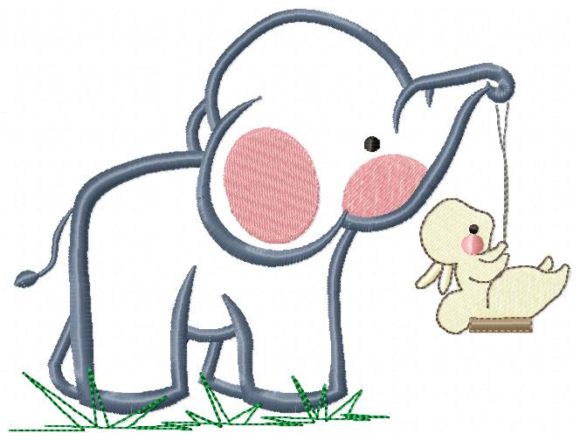
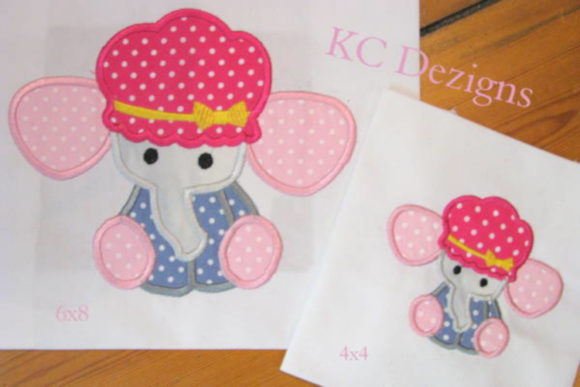
As an experienced embroidery designer curating a seasonal collection, I am constantly evaluating which designs will translate best from screen to fabric during the busy holiday shopping period. When reviewing the Baby Elephant with Hat machine applique embroidery design, my immediate assessment focuses on its versatility and emotional resonance. This design captures a specific intersection of nursery sweetness and festive charm that is essential for successful holiday product lines. The addition of the hat transforms a standard baby animal motif into a deliberate seasonal statement, making it feel timely rather than generic. For Etsy sellers and small business owners planning limited-time drops, this distinction is critical for driving sales in a saturated market.
Evaluating Festive Appeal and Emotional Tone
The first impression of the Baby Elephant with Hat is undeniably cozy and playful. In the context of holiday embroidery, we often look for designs that evoke nostalgia or warmth without being overly religious or specific to a single date. This design achieves a timeless seasonal mood. The hat serves as a visual anchor that suggests winter, celebration, or a special occasion, yet it remains subtle enough to be used year-round if stitched in neutral tones. This duality increases the return on investment for digital embroidery file buyers who need assets that work across multiple selling seasons.
From a stylistic perspective, the applique technique adds necessary texture and dimension that flat fill stitches cannot achieve. For handmade gift makers, this tactile quality signals premium value. When a customer runs their hand over a finished pillow cover or baby blanket, the raised fabric layers create a sensory experience that justifies a higher price point. The design feels curated and intentional, which helps build brand consistency for shops specializing in high-quality children’s apparel or home decor.
Strategic Applications for Holiday Product Lines
When building a seasonal shop collection, I categorize designs by their end-use potential. The Baby Elephant with Hat performs exceptionally well across several key product categories relevant to holiday shoppers:
- Sweatshirt Embroidery: Crewneck sweatshirts are a holiday staple. Centering this design on a heather grey or cream sweatshirt creates an instant bestseller. The applique breaks up large negative space effectively, making it ideal for adult-sized garments as well as toddler wear.
- Kitchen Towel Embroidery: Holiday hostess gifts are a massive market segment. Stitching this elephant onto flour sack towels with coordinating checkered trim offers a charming, giftable item that feels personal but not overly intimate.
- Tote Bag Design: Shoppers love reusable bags for holiday markets. A canvas tote featuring this design appeals to parents and eco-conscious buyers alike. The sturdy nature of canvas supports the weight of applique layers without distorting.
- Pillow Cover and Nursery Decor: As a personalized gift for new parents during the holidays, this design shines on linen or minky fabrics. It bridges the gap between everyday nursery decor and special holiday keepsakes.
- Family Matching Items: While primarily a baby animal motif, the whimsical hat allows this to cross over into family matching sets when paired with simpler typography or complementary icons for adult sizes.
For craft fair displays, having physical samples of this design on varied substrates demonstrates its range. Customers often struggle to visualize how a digital embroidery file translates to reality; showing the same elephant on a bib, a patch, and a table runner removes purchase friction.
Technical Considerations and Fabric Limitations
Despite its charm, the Baby Elephant with Hat requires careful technical execution to maintain professional standards. As a machine applique embroidery design, it demands proper stabilization and fabric selection. I advise against using this design on highly textured terry cloth or thick pile towels unless you have tested extensively. The plush surface can swallow the tack-down stitches, causing the applique fabric to fray or lift after washing. For kitchen towel embroidery, smooth flour sack cotton or waffle weave is superior to traditional loop terry.
Stretchy garments present another challenge. If you are producing sweatshirt embroidery or onesies, you must use appropriate stabilizer to prevent puckering around the hat brim and elephant ears. Cut-away stabilizer is generally recommended for knits to support the stitch density long-term. Always verify your hoop size before purchasing or stitching; ensure the design fits comfortably within your machine’s maximum field with adequate margin for hooping tension.
Be cautious with tiny lettering if you plan to add personalization. The scale of the elephant may limit legible text size. If adding names, test the minimum font height on your specific fabric texture. What looks crisp on screen may become illegible thread blobs on fleece. Additionally, consider thread colors carefully. Metallic threads can elevate the festive look of the hat, but they require specialized needles and slower speeds to prevent breakage. Always run a test stitch-out on the exact fabric intended for production to confirm tension and coverage.
Maximizing Value for Sellers and Gift Makers
The commercial viability of this design extends beyond the stitch-out itself. For Etsy sellers, creating realistic printable mockup images is essential. Show the Baby Elephant with Hat in context—draped over a crib rail, worn by a child at a holiday party, or packaged with ribbon. These lifestyle visuals communicate giftability more effectively than flat digital renders. Highlight the "handmade" aspect in your listings; emphasize that each applique layer is individually placed and stitched, distinguishing your work from mass-produced prints.
When marketing to holiday shoppers, leverage the emotional connection. Use keywords like "first Christmas," "nursery holiday decor," and "personalized baby gift" in your product titles. However, always respect intellectual property. Confirm commercial licensing terms included with your embroidery file before selling finished products. Understanding whether you can sell unlimited items or have a cap protects your business from legal issues.
Finally, consider bundling. Pair the Baby Elephant with Hat with a matching monogram frame or a simple snowflake border to create exclusive holiday bundles. This increases average order value and gives customers a complete solution for their gifting needs. By treating this design as a foundational element of a broader seasonal strategy rather than a standalone graphic, you maximize both creative satisfaction and commercial success.
Designer’s Pre-Stitch Checklist
- Verify Specifications: Check the provided stitch count, dimensions, and required hoop size against your machine capabilities before starting.
- Test Thread Colors: Run a sample on both light and dark fabrics to ensure contrast and coverage, especially for the hat details.
- Select Proper Stabilizer: Match stabilizer weight to fabric stretch and stitch density to prevent distortion.
- Review Applique Materials: Choose woven cottons or stable blends for applique pieces to minimize fraying during wear and washing.
- Create Mockups First: Generate promotional graphics before committing to bulk production to validate market interest.
- Confirm Licensing: Read the designer’s terms regarding commercial use of finished seasonal products derived from this digital embroidery file.
Integrating the Baby Elephant with Hat into your seasonal lineup offers a blend of technical engagement and marketable charm. By respecting the nuances of machine applique and aligning production with genuine holiday buyer needs, this design can become a cornerstone of your festive collection. Whether you are decorating for a craft fair or fulfilling custom Etsy orders, approaching this project with professional diligence ensures the final embroidered patch or garment meets the high expectations of holiday gift-givers.