4th July Flip-Flops: A Craft Fair Seller’s Review
As an experienced embroidery designer preparing for the summer market season, I approach every new machine embroidery design with a critical eye. When evaluating the 4th July Flip-Flops design for my upcoming craft fair booth, my primary focus is not just on digital aesthetics, but on tangible sellability. This specific embroidery file promises versatility with both 4x4 and 5x7 hoop size options, which immediately signals potential for a diverse product line. However, translating a digital concept into a profitable craft fair product requires understanding how this motif interacts with physical materials and customer psychology during the busy Independence Day shopping rush.
First Impressions and Market Positioning
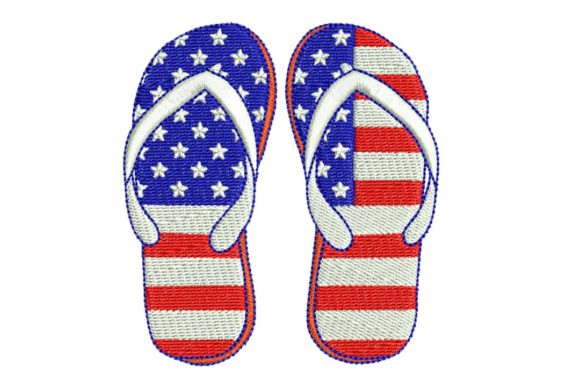
Upon reviewing the 4th July Flip-Flops artwork, the immediate impression is one of playful nostalgia mixed with modern festive charm. It does not lean heavily into rustic or overly traditional Americana; instead, it feels fresh, casual, and distinctly summery. For an Etsy seller or boutique maker, this aesthetic is gold because it bridges the gap between patriotic obligation and genuine summer lifestyle wear. The flip-flop motif suggests relaxation, beach days, and backyard barbecues, making it far more approachable than standard flag imagery.
In a crowded market booth, visual hierarchy is everything. This design strikes a balance between being a bold focal point and a cute accent. It avoids the stiffness that sometimes plagues patriotic Embroidery, offering a softer, more inviting vibe that appeals to shoppers looking for wearable holiday gear rather than just decorative memorabilia. As a handmade product, it communicates fun and comfort, which are key emotional triggers for impulse buys at weekend markets.
Best Applications for Booth Inventory
Determining where to stitch this design is crucial for maximizing ROI. Based on the dual hoop sizes provided, I have identified several high-potential applications for my inventory:
- Tote Bag Design: The 5x7 version is ideal for canvas market bags. Shoppers need functional items for carrying their own purchases, and a festive tote serves as a walking advertisement for your booth. The casual nature of flip-flops pairs perfectly with natural cotton canvas.
- Apron Embroidery: For the 4x4 size, placement on the lower pocket or chest area of a grilling apron creates a fantastic niche item. This targets the "backyard chef" demographic specifically, differentiating it from generic kitchen linens.
- Tea Towel Embroidery: While popular, tea towels require careful consideration. The 4x4 version works best here as a corner accent rather than a center piece, preserving the towel's functionality while adding festive flair.
- Embroidered Patch: Given the distinct shape of flip-flops, this design translates exceptionally well into standalone patches. These can be sold as add-ons or applied to denim jackets and caps, increasing the average transaction value without requiring full garment production.
- Fabric Pouches and Zipper Bags: Small cosmetic or pencil cases in red, white, or blue fabrics serve as excellent price-point fillers. The 4x4 design fits these blanks perfectly and utilizes scrap fabric efficiently.
Production Practicality and Batch Efficiency
For a small shop product line, production speed matters. The 4th July Flip-Flops design appears optimized for batch stitching. The inclusion of two sizes allows me to set up multiple machines simultaneously—one running 5x7 totes and another running 4x4 patches. This flexibility is vital when restocking mid-market.
From a photography standpoint, this motif is highly photogenic. Unlike dense text-based designs that can look muddy in thumbnails, the recognizable silhouette of a flip-flop reads clearly even in small printable mockup images. For digital sellers offering the digital embroidery file, this clarity increases click-through rates. For those selling finished goods, the design’s inherent color blocking makes it easy to style against contrasting backgrounds, ensuring your listing photos pop in search results.
Critical Technical Considerations for Makers
While the design is versatile, professional execution requires attention to technical details. As you prepare your commercial embroidery run, keep these cautions in mind:
- Fabric Texture Compatibility: Flip-flop designs often feature smooth satin stitches or fill patterns. On textured terry cloth towels or pique polos, these details can get lost. Always use a water-soluble topping to prevent stitches from sinking into the pile.
- Stitch Density Management: Before committing to a large batch, verify the stitch density. If the design is too dense for lightweight summer fabrics like linen or thin cotton, it will cause puckering. Conversely, if it is too sparse on dark navy fabric, the base material may show through, diminishing the premium feel.
- Small Detail Clarity: Check any lettering or strap details within the 4x4 version. Reducing a complex design to a smaller hoop can sometimes result in thread breaks or illegible elements. If the straps are thinner than 2mm, consider simplifying them for smaller applications.
- Curved Surface Challenges: If applying this to caps, ensure the design is digitized specifically for curved surfaces or use a flat brim style. Standard flat embroidery files often distort on the rounded crown of a hat, causing registration issues between the sole and the strap of the flip-flop.
Designer Notes for Quality Assurance
To ensure your 4th July Flip-Flops products meet professional standards, follow this pre-production checklist. Never assume a design assets package is ready-to-stitch without verification:
- Test Stitch on Actual Substrate: Do not rely solely on software simulation. Stitch out the design on the exact fabric you intend to sell. A design that looks perfect on screen may pull or gap on real canvas.
- Thread Color Validation: Patriotic colors vary wildly between brands. Compare your thread colors against the fabric in natural daylight. Neon reds can look cheap against vintage-style cream canvas, while muted brick reds elevate the perceived value.
- Stabilizer Selection: Match your stabilizer to the end use. Cut-away backing is non-negotiable for stretchy knits or apparel that will be washed frequently. Tear-away may suffice for sturdy tote bags, but test for clean removal to avoid jagged edges around the flip-flop shape.
- Licensing Confirmation: Before listing any finished product for sale, explicitly confirm the commercial licensing terms included with your purchase. Ensure you are permitted to sell physical embroidered items and understand any restrictions on digital redistribution.
- Create Physical Mockups: Photograph at least one real sample before the fair. Customers trust actual product photos over digital renders. Use this sample to gauge scale; what looks proportional in a 5x7 hoop might look overwhelming on a petite ladies' tee.
Enhancing Booth Appeal and Sales Strategy
The 4th July Flip-Flops design offers significant strategic value for Independence Day merchandising. Its strength lies in its specificity; it targets a feeling (summer leisure) rather than just a date. When arranging your booth display, group these items by activity rather than product type. Create a "Beach Day" vignette featuring the embroidered tote, a matching zipper pouch, and perhaps a coordinating towel. This contextual merchandising helps customers visualize the handmade product in their own lives.
Furthermore, this design supports brand consistency. By using the same motif across different price points—from $8 patches to $35 totes—you create a cohesive collection that encourages bundling. The visual repetition reinforces your shop's identity as a curated source for quality holiday goods. For Etsy seller success, tag listings with specific long-tail keywords derived from this review, such as "summer patriotic tote," "flip flop embroidery patch," or "July 4th grilling apron," rather than generic terms.
Ultimately, the 4th July Flip-Flops design is a strong contender for seasonal revenue, provided it is executed with technical precision and marketed with lifestyle intent. By respecting the nuances of fabric texture, validating hoop size appropriateness, and leveraging the design's cheerful aesthetic, craft fair vendors can transform this digital file into a tangible bestseller that captures the spirit of the season.