Adorable FSL Applique Star Mug Rug Review
As a designer who has stitched out hundreds of machine embroidery designs for both personal joy and commercial client work, I approach every new file with a healthy dose of skepticism. We have all downloaded promising digital embroidery files that turned into thread nests or lacked structural integrity in the final product. When evaluating the Adorable FSL Applique Star Mug Rug, my primary focus was not just on the aesthetic charm of the star motif, but on the technical execution of the In-The-Hoop (ITH) construction. For small business owners and Etsy sellers, a mug rug needs to be more than cute; it must be functional, durable, and efficient to produce. This review breaks down how this specific design performs when moved from the screen to the sewing table and finally into a customer’s hands.
First Impressions: Balancing Whimsy and Structure
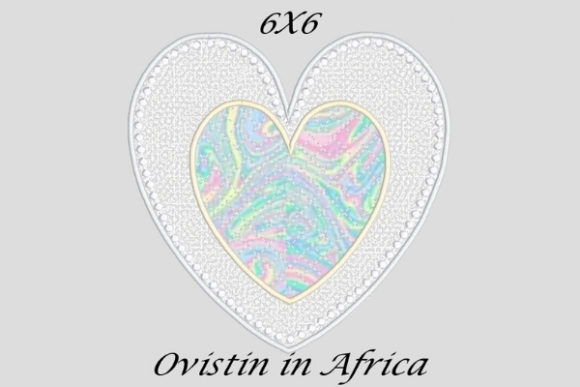
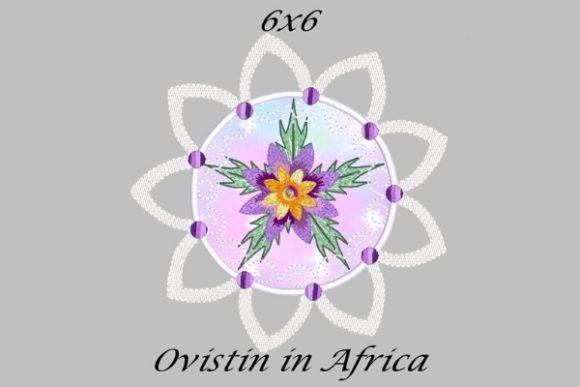
The visual personality of the Adorable FSL Applique Star Mug Rug strikes a deliberate balance between playful nursery decor and refined kitchen accessory. The combination of a Free-Standing Lace (FSL) edge with an applique center is a sophisticated choice. Pure FSL can sometimes feel too delicate for a functional coaster, while standard applique can look flat. By merging these elements, the design creates a textured, dimensional look that photographs exceptionally well for printable mockups and social media listings.
From a layout perspective, the star shape provides excellent coverage within a 6x6 hoop size without feeling cramped. The negative space around the points allows the lace detail to breathe, which is crucial for preventing the design from looking heavy or dense. For those of us curating a cohesive brand identity, this design offers enough character to stand alone as a personalized gift while remaining versatile enough to pair with other holiday embroidery or everyday kitchen textiles. It feels like a premium handmade product rather than a quick craft fair filler.
Real-World Application: The Custom Gift Test
To truly evaluate this embroidery project, I considered a recent scenario involving a custom order for a boutique coffee shop opening. They needed branded merchandise that felt artisanal but could withstand daily use. I tested the Adorable FSL Applique Star Mug Rug as a potential upsell item alongside their custom apparel and tote bag designs. The ITH method proved invaluable here. Because the design includes a batting inlay and satin backing within the stitching sequence, the resulting mug rug had genuine heat resistance and a professional finish right out of the hoop.
This efficiency is a game-changer for craft business owners. Traditional mug rugs often require cutting, gluing, and hand-stitching bindings after embroidery. With this design, the majority of the labor is automated. During my test run, the transition from the FSL border to the applique center was seamless. The registration marks aligned perfectly, ensuring the satin stitch anchoring the applique did not gap or pucker. For an Etsy seller managing high volume during peak seasons, this reliability reduces waste and increases profit margins. The finished product had enough weight to stay put under a ceramic mug, yet the lace edge provided the delicate aesthetic that attracts buyers looking for unique wedding gifts or housewarming presents.
Technical Performance and Fabric Considerations
While the design is robust, understanding its behavior on different materials is essential for commercial embroidery success. The FSL component requires specific attention to stabilizer choices. I recommend using a heavy-duty water-soluble stabilizer to support the lace density. If you attempt this on a lightweight tear-away, you risk distortion or breakage at the star points. Always test your stitch density on scrap fabric first; if your machine runs tight, the lace may become too stiff, losing the "adorable" drape intended by the designer.
The applique center is where you can exercise creative freedom, but caution is necessary. Avoid thick, textured fabrics like terry cloth or minky for the center panel. While these are popular for baby embroidery, they can obscure the precision of the satin stitch border and add unnecessary bulk to the ITH sandwich. Quilting cottons, linen blends, or smooth poly-cottons yield the crispest results. Furthermore, if you are adapting this design for dark fabrics, remember that FSL typically relies on white or neutral threads. Stitching dark lace requires high contrast against the background to remain visible, or it risks disappearing visually in product photos.
For makers considering this for custom apparel accents or patches, note that the 6x6 hoop size limits placement options. This design is best suited for flat surfaces. Attempting to adapt this specific ITH file for curved surfaces like caps is not advisable due to the rigid nature of the batting inlay and lace structure. Stick to flat goods like tea towels, pillow covers, and standalone coasters to maintain design integrity.
Elevating Perceived Value Through Professional Finishing
The inclusion of a satin backing in the digitizing file is what separates a hobbyist project from a retail-ready item. In my experience, customers judge the quality of a handmade product by its reverse side. A messy back implies poor craftsmanship, even if the front is flawless. This design eliminates that risk entirely. The clean finish enhances buyer engagement and trust, justifying a higher price point for your small shop products.
Visual appeal also extends to how the item ages. The satin stitch edges on the applique serve a dual purpose: decoration and fray prevention. However, verify that your thread tension is balanced before running a production batch. Loose top tension can cause the applique fabric to tunnel, creating a dip in the center that traps crumbs and moisture. Proper tension ensures the star remains flat and functional. For digital product sellers offering this as part of a bundle, highlighting the built-in finishing steps in your listing description can significantly boost conversion rates by assuring buyers of the design's ease of use.
Designer Notes for Safe and Successful Stitching
Before adding the Adorable FSL Applique Star Mug Rug to your permanent library or production lineup, adhere to these practical checkpoints:
- Verify Hoop Compatibility: Confirm your machine’s actual stitching area accommodates the full 6x6 dimensions required for the ITH process, including any alignment marks.
- Test Washability: Since this combines FSL and applique, wash a test sample aggressively. Some laces soften excessively or shrink differently than cotton applique, potentially warping the star shape over time.
- Thread Color Contrast: Check your color chart. Ensure the placement lines for the applique are a contrasting color to the base stabilizer so you can see exactly where to position the fabric.
- Licensing Review: Always confirm the specific license terms included with the embroidery file. Verify whether you are permitted to sell finished physical products, digital files, or both before listing on platforms like Etsy.
- Mockup Testing: Create black and white mockups of the design to check value contrast. If the star loses definition without color, adjust your thread palette to ensure visibility on various backgrounds.
- Batting Selection: Use the batting weight specified in the included tutorial. Substituting thicker batting may prevent the hoop from closing properly or cause needle deflection during the dense satin stitch phases.
Ultimately, the Adorable FSL Applique Star Mug Rug is a well-engineered asset for the serious maker. It respects the user's time through smart ITH construction while delivering a high-end aesthetic that appeals to modern buyers. Whether you are expanding your holiday embroidery collection or seeking a reliable staple for personalized gifts, this design offers the technical stability and visual warmth necessary for commercial success. Just remember to respect the material requirements and test thoroughly; your reputation as a quality embroiderer depends on the consistency of every stitch.