Lovely Applique Heart Coaster Review
As I prepare my inventory for the upcoming weekend craft fair, my table display needs a balance of high-ticket items and accessible impulse buys. While embroidered tote bags and aprons draw customers in from a distance, it is often the smaller, meticulously finished pieces that close the sale and build brand trust. In reviewing the Lovely Applique Heart Coaster machine embroidery design, I am evaluating it not just as a digital file, but as a tangible craft fair product that must justify its price point through perceived value and professional construction. This review analyzes the design’s potential for handmade market success, focusing on production efficiency, visual appeal, and commercial viability for Etsy sellers and boutique makers.
First Impressions and Market Positioning
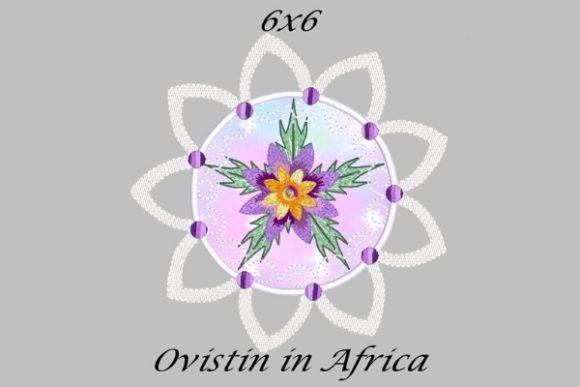
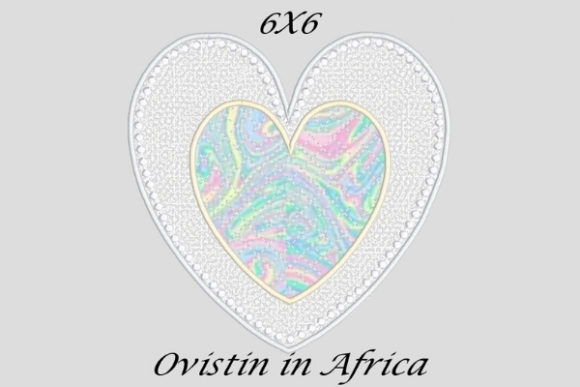
The title and description suggest a design that bridges the gap between traditional needlework and modern gifting. The combination of Free-Standing Lace (FSL) techniques with appliqué creates a textured, dimensional look that photographs beautifully for online listings and stands out under booth lighting. Unlike flat embroidery, this hybrid approach offers a premium tactile experience. For a handmade product, texture is everything. Customers at markets want to touch the goods; they want to feel the difference between factory-made and artisan-crafted. The mention of a satin lining at the back is a critical selling feature. It signals to the buyer that this is a finished good, not just a hoop sample. This attention to detail elevates the Lovely Applique Heart Coaster from a simple sewing project to a boutique-ready accessory.
Aesthetically, this design leans toward soft, romantic, and elegant. It fits perfectly within farmhouse, cottagecore, or wedding gift niches. It does not scream for attention like a novelty patch might; instead, it invites closer inspection. For an Etsy seller or small shop product lineup, this versatility is key. It can be marketed as a Valentine’s gift, a bridal shower favor, or a year-round kitchen accent. The heart motif is universally recognized, reducing the cognitive load for shoppers browsing a crowded table. They instantly understand what it is and who it is for, which is essential for high-volume sales environments.
Production Viability for Batch Manufacturing
When preparing for a market, time is money. A design might be beautiful, but if it requires excessive trimming, re-hooping, or complex assembly, it cuts into profit margins. The specified 6x6 hoop size is ideal for batch production. This size allows for efficient use of stabilizer and fabric while remaining large enough to showcase intricate details without becoming unwieldy. For commercial embroidery workflows, this footprint strikes a balance between visibility and speed.
The inclusion of tutorials is a significant asset for business owners. Even experienced embroiderers encounter variables when switching between FSL and appliqué on different fabrics. Having guidance ensures consistency across a production run. If I am making twenty coasters for a booth, I need the tenth one to look identical to the first. The tutorial likely covers stabilizer choices and hooping tension, which are the primary failure points in FSL projects. Consistent quality protects your brand reputation. Furthermore, because this is a standalone item rather than an embellishment on a garment, the risk of ruining expensive blanks is minimized. If a stitch-out fails, you have only lost thread, stabilizer, and a small square of fabric, making this a low-risk design asset for testing new thread colors or marketing concepts.
Display Strategy and Sales Potential
On a physical table, the Lovely Applique Heart Coaster serves multiple strategic functions. First, it acts as a price anchor. Placed next to higher-priced apron embroidery or tea towel embroidery sets, these coasters make the larger items seem more substantial while offering an entry-level purchase for budget-conscious shoppers. Second, they utilize vertical space effectively. Because they are rigid due to the FSL structure and satin backing, they can be displayed in tiered stands or baskets, adding height and visual interest to a flat table layout.
For digital sellers creating printable mockups, the defined shape of a coaster is easier to stage than organic garment shapes. The clean lines and satin finish reflect light predictably, making product photography straightforward. This translates to better conversion rates online. Additionally, consider bundling. A set of four coasters tied with ribbon creates a higher average order value than a single unit. The heart theme naturally lends itself to pairings with other romantic or domestic items in your inventory, such as embroidered patches on pouches or custom tea towels.
Technical Considerations and Quality Control
Despite its charm, combining FSL and appliqué requires careful technical execution. As a professional designer, I must emphasize the importance of testing before committing to bulk production. Stitch density is the primary concern here. FSL relies on dense stitching to maintain structural integrity, while appliqué requires secure tacking stitches. If the density is too high for your chosen thread weight, the result will be stiff, puckered, or prone to needle breaks. Always test the embroidery file on the exact fabric and stabilizer combination you intend to sell. What works for cotton batiste may fail on linen or felt.
The satin lining mentioned in the description is non-negotiable for a professional finish. Raw FSL backs can be scratchy and visually unfinished. When sourcing satin for the backing, ensure it has enough body to support the lace without bubbling. You may need to use a lightweight fusible web or spray adhesive to bond the layers before the final satin stitch border. This step prevents shifting during the finishing process. Also, verify your hoop size compatibility before purchasing. While listed as 6x6, always confirm your machine’s actual sewing field matches the design dimensions to avoid alignment issues.
Material Selection and Fabric Texture
Fabric texture plays a massive role in the final appearance of appliqué work. For a heart coaster intended for drinkware, absorbency and heat resistance matter. While the FSL element is decorative, the base fabric should be functional. Cotton quilting fabric is standard, but consider linen blends for a more upscale, rustic feel. Avoid highly textured towels or thick terry cloth for this specific design type, as the delicate nature of FSL can get lost against a busy background. The contrast between the smooth satin lining and the textured front creates the tactile appeal that sells handmade products.
Thread color selection should complement, not compete with, the fabric. Since this is a heart motif, tonal threads often look more sophisticated than high-contrast primaries. Test thread colors against your chosen fabric in natural light. Booth lighting can be yellow or harsh; ensure your color palette reads well in both indoor and outdoor market conditions. Remember to check commercial licensing terms included with the digital embroidery file. Confirming you have the right to sell finished products derived from this design is a mandatory step for any ethical business owner.
Final Verdict for Creative Entrepreneurs
The Lovely Applique Heart Coaster represents a smart addition to a diverse product catalog. It balances aesthetic appeal with practical production requirements. Its 6x6 hoop size facilitates efficient batching, while the satin-lined finish justifies a premium price point at craft fairs. For Etsy sellers, it offers excellent photographic potential and bundling opportunities. However, success depends entirely on execution. The hybrid FSL-appliqué technique demands proper stabilizer management and precise assembly. By investing time in sampling and adhering to the included tutorials, makers can transform this digital design into a profitable, repeatable bestseller. Whether used as a standalone gift item or a complementary accent to larger textile goods, this design holds genuine commercial promise for the prepared embroidery business.