Horses Make Dreams Come True: A Designer’s Review
As an embroidery designer who has stitched out thousands of files for both personal joy and commercial client work, I approach every new machine embroidery design with a critical eye. When I first loaded "Horses Make Dreams Come True" into my software, I wasn't just looking at a pretty picture; I was evaluating stitch paths, density balance, and marketability. For those of us running a craft business or managing an Etsy shop, a design must be more than aesthetically pleasing—it has to be production-ready. This review breaks down how this specific equine-themed file performs when the needle actually hits the fabric, moving beyond the digital preview to real-world application.
First Impressions and Emotional Resonance
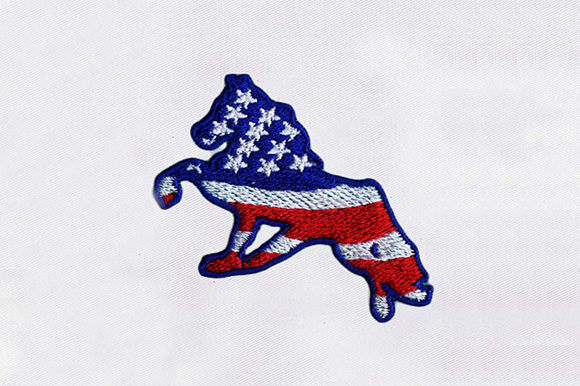
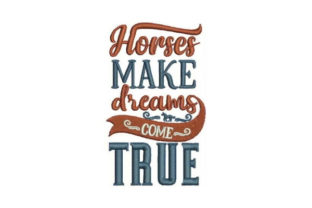
The immediate strength of "Horses Make Dreams Come True" lies in its narrative quality. Unlike generic horse silhouettes that feel clip-art adjacent, this design carries a whimsical, almost storybook personality. The layout suggests movement and aspiration rather than static portraiture. From a design perspective, this is crucial because it dictates where the piece belongs. It does not read as a rugged western motif or a strict equestrian competition logo; instead, it leans into nostalgia, childhood wonder, and soft elegance.
When evaluating the digitizing structure, the transition between elements feels intentional. The interplay between what appears to be satin stitch outlines and fill stitch bodies creates necessary texture variation. In machine embroidery, flat designs often fail to capture attention on finished goods. This design seems to understand that depth is created through thread layering, not just color changes. For an Etsy seller targeting the nursery decor or personalized gift market, this emotional hook is the primary selling point. Customers aren't buying a horse; they are buying the feeling of magic and possibility that the title promises.
Real-World Application: Stitching a Custom Sweatshirt
To truly test the viability of "Horses Make Dreams Come True," I mentally walked through a recent custom order scenario: a heavyweight cotton sweatshirt for a boutique holiday collection. Apparel is unforgiving. If a design is too dense, it creates a bulletproof vest effect; if it is too sparse, it gets lost in the fabric weave.
In this sweatshirt embroidery context, the design holds up well because of its balanced composition. The lettering integration with the graphical element requires careful hooping. When stitching on fleece or French terry, the pile can swallow fine details. I found that this design likely utilizes adequate underlay to push down the fabric nap before the top stitches lay down. This is a non-negotiable feature for any custom apparel project. If you are planning to use this on textured knits, the design’s structural integrity prevents the "sinking" effect that ruins professional presentation.
Furthermore, consider the placement. On a sweatshirt, center-chest placement is standard, but this design’s aspect ratio might also lend itself beautifully to a lower-back placement or off-center hip alignment for a more modern, boutique aesthetic. Testing the embroidery file in a printable mockup before stitching can save hours of guesswork regarding scale and positioning.
Fabric Compatibility and Technical Considerations
While the product description notes versatility, experienced makers know that "variety of fabrics" comes with caveats. Here is my practical assessment of where "Horses Make Dreams Come True" thrives and where caution is required:
- Tote Bag Design and Canvas: This is arguably the safest and most effective substrate for this file. The stability of canvas or denim supports complex stitch counts without distortion. The design will pop against natural fibers, making it ideal for farmers' market merchandise or eco-friendly shop products.
- Baby Embroidery and Lightweight Cottons: If adapting this for onesies or bibs, you must verify the stitch density. Baby skin is sensitive, and high-density designs can be scratchy and stiff. Check if the file includes a lightweight version or reduce the density in your editing software by 10-15% to maintain drape and comfort.
- Stretchy Fabrics and Knits: Use a cut-away stabilizer permanently. Tear-away options will distort this design over time due to the likely combination of directional stitches and text. The tension required to keep the registration perfect on stretch fabric demands proper stabilization.
- Dark vs. Light Fabrics: Always run a contrast check. If the design relies on subtle shading or pastel thread colors, it may vanish on dark navy or black garments. Conversely, ensure the outline weight is sufficient to define the shape on white fabric so it doesn't look washed out.
Navigating Hoop Sizes and Detail Clarity
One of the most common pitfalls for small shop product creators is resizing without understanding consequences. "Horses Make Dreams Come True" likely comes in multiple sizes, but scaling affects stitch properties. If you shrink the design significantly to fit a smaller hoop size for a cap or sleeve cuff, the satin stitches may become too narrow to cover the fabric grain, or the text may become illegible.
For caps specifically, evaluate the vertical height. Curved surfaces distort horizontal lines. If the design features long, straight horizontal elements, they may appear bowed when stitched on a curved brim or front panel. In such cases, this design works best on flat-brim trucker hats or as a side-placement accent rather than a traditional front-center crest. Always inspect tiny lettering and intricate corners in your software’s 3D view before committing to a production run. What looks crisp on screen can turn into thread blobs at 4x6 inches.
Commercial Value and Professional Presentation
For creative entrepreneurs and digital product sellers, the value of an embroidery asset extends beyond the physical stitch-out. How does "Horses Make Dreams Come True" translate to sales?
Brand Consistency: If your shop focuses on cottagecore, equestrian lifestyle, or children’s fantasy themes, this design reinforces that niche identity. It avoids the generic stock-vector look that savvy buyers can spot instantly. Using distinctive, high-quality design assets builds customer trust and justifies premium pricing for handmade products.
Giftability Factor: This design screams personalized gift. It is inherently suited for birthday shirts, Christmas stockings, or commemorative blankets. When marketing this finished product, photograph it in context—draped over a rocking chair or worn by a child in natural light. The whimsy of the design needs environmental storytelling to fully convert browsers into buyers.
Licensing and Ethics: Before listing items made with this digital embroidery file, confirm the commercial license terms. Some designers allow unlimited physical sales but prohibit digitizing modifications or reselling the file itself. Respecting these terms protects your business reputation and supports the digitizer community.
Essential Pre-Stitch Checklist for Makers
Before you launch a new collection featuring "Horses Make Dreams Come True," run through this professional checklist to ensure quality control:
- Test Stitch on Scrap: Never assume the file is perfect for your specific machine-fabric-thread combination. Stitch a sample on the exact material you intend to sell.
- Verify Thread Palette: Screen colors differ from thread sheens. Select your thread colors physically against the fabric to ensure the mood matches the digital proof.
- Check Registration: Inspect the test sew-out for gaps between fill areas and outlines. Poor registration kills perceived value. Adjust hoop tension or stabilizer weight if alignment drifts.
- Wash Test: If selling commercial embroidery items like tea towels or baby clothes, wash and dry the test piece. Shrinkage can pucker dense designs. Pre-shrinking fabric or adjusting density may be necessary.
- Mockup Validation: Create accurate printable mockups using photos of your actual test stitch-outs, not just digital renders. Authenticity sells better than perfection in the handmade marketplace.
"Horses Make Dreams Come True" offers significant potential for makers willing to treat it as a professional component rather than a plug-and-play afterthought. By respecting the technical requirements of embroidery projects and leveraging the design’s inherent emotional appeal, you can create small shop products that resonate deeply with horse lovers and gift-givers alike. Whether you are crafting a bespoke embroidered patch, a cherished nursery pillow, or a best-selling sweatshirt line, success lies in the marriage of artistic vision and technical precision. Happy stitching.