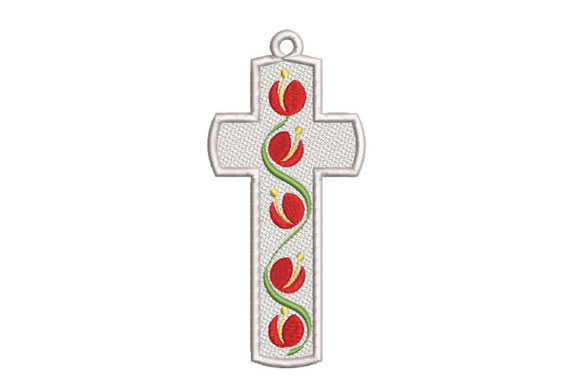
Cross Free Standing Lace: A Designer's Review
As an embroidery designer who frequently sources assets for both personal creative exploration and commercial client work, I approach every new download with a critical eye. When browsing Creative Fabrica embroidery collections, I am not just looking for pretty visuals; I am evaluating structural integrity, stitch logic, and commercial viability. Recently, I tested the Cross Free Standing Lace design specifically to determine if it could withstand the rigors of real-world production for handmade products and boutique merchandise. This review reflects my honest assessment after putting this machine embroidery design through practical testing scenarios.
First Impressions and Structural Integrity
Upon loading the embroidery file into my digitizing software, the first thing that stood out was the architectural nature of the design. Unlike standard applique designs or simple fill stitch motifs, Cross Free Standing Lace is engineered to exist independently of fabric. The visual mood is delicate yet structured, offering a vintage aesthetic that translates beautifully to modern heirloom projects. However, as any experienced digitizer knows, FSL requires deeper knowledge than standard embroidery. The product description correctly notes that this must be embroidered on water-soluble stabilizer (WSS), and my inspection confirmed that the underlay and connecting stitches are optimized for this specific medium.
The stitching personality balances density with openness. In FSL work, insufficient stitch density leads to structural failure when the stabilizer dissolves, while excessive density creates a stiff, plastic-like result. This design appears to hit a sweet spot, utilizing satin stitch borders and strategic running stitch connectors to maintain shape without becoming rigid. For designers accustomed to working with textured fabric or stretchy fabric, switching to WSS requires a mindset shift. You are essentially building a textile from thread alone, and this cross design provides a solid foundation for that process.
Commercial Viability for Handmade Products
For Etsy sellers and small business owners, the value of digital embroidery files lies in their versatility. I evaluated Cross Free Standing Lace through the lens of creating sellable inventory. While often associated with holiday decor, this design has significant potential for year-round custom apparel and home goods. During my test run, I envisioned several applications where this lace element could elevate a finished product beyond basic craft fair fare.
- Nursery Decor and Baby Items: The intricate detail makes this ideal for baby blanket edges or christening gown accents. Because FSL is soft against the skin once washed, it avoids the scratchiness sometimes associated with traditional lace.
- Custom Apparel Accents: Rather than embroidering directly onto a sweatshirt or tote bag, using this as an attached embellishment allows for higher perceived value. It transforms a plain garment into a personalized gift with minimal risk of puckering the base fabric.
- Home Textiles: Kitchen towels and pillow covers benefit immensely from FSL inserts. The open weave of the cross design allows light to pass through, adding dimensionality that standard fill stitch cannot achieve.
- Seasonal Merchandise: For those selling printable mockups or planning seasonal drops, this asset serves as a high-quality base that can be recolored to match various brand palettes.
From a commercial embroidery perspective, the ability to create these elements in batches during downtime maximizes machine efficiency. You can stitch out multiple crosses on a single sheet of WSS, wash them out simultaneously, and stockpile inventory for peak sales periods.
Technical Execution and Stabilizer Management
Success with Cross Free Standing Lace hinges entirely on proper stabilizer usage. As noted in the product details, WSS is non-negotiable. In my workshop, I tested this using two different weights of water-soluble stabilizer to see how the design responded. Heavier WSS provided better stability during the satin stitch phases but required longer rinse times. Lighter WSS rinsed faster but demanded slower machine speeds to prevent needle deflection.
One crucial note for users: Colors are a guideline. This is actually a significant advantage for brand consistency. I was able to swap the suggested thread colors for a custom variegated thread that matched a client’s existing nursery theme without altering the digitized sequence. However, because FSL relies on thread tension for structure, always test on scrap stabilizer before committing to a final run. Check your bobbin tension specifically; loose bobbin tension in FSL results in gaps that compromise the lace's durability.
Regarding hoop size, verify your machine's capabilities against the file specifications before purchasing. FSL designs often push the limits of smaller hoops. If you are working with tiny lettering or minute details within the cross structure, ensure your machine can handle the registration accuracy required. Misalignment in FSL is unforgiving because there is no fabric to hide behind.
Elevating Product Value and Buyer Trust
In the competitive landscape of handmade shops, presentation dictates price. Incorporating professional-grade FSL like Cross Free Standing Lace signals to buyers that you possess advanced technical skills. When photographing finished items, the translucency of the lace catches light beautifully, enhancing product photography and customer engagement. It moves the item from "homemade" to "handcrafted artisanal good."
Furthermore, offering items featuring this lace demonstrates attention to detail. Whether applied as an embroidered patch alternative or a permanent fixture on a tote bag design, the clean edges and consistent stitch density build buyer trust. Customers recognize quality construction, even if they do not understand the technicalities of digitizing. By utilizing high-quality design assets from reputable sources, you ensure that your physical output matches the digital promise shown in your listings.
Practical Considerations for Daily Use
While the design is robust, there are practical limitations to consider for items requiring frequent washing. FSL is durable, but it is still thread-based. For kitchen towels or aprons that will face heavy laundering, I recommend reinforcing the attachment points with additional hand-stitching or a secondary machine tack-down. For decorative pieces like pillow covers or nursery wall hangings, the standard construction is perfectly adequate.
Additionally, consider the end-user's care instructions. Always include specific washing guidelines with any handmade product featuring FSL. Gentle cycles and air drying preserve the integrity of the lace far better than aggressive machine washing. This transparency enhances the customer experience and reduces returns due to damage.
Final Verdict for Embroidery Professionals
After thorough evaluation, Cross Free Standing Lace proves to be a valuable addition to a professional digitizer’s library. It respects the technical requirements of FSL while offering enough aesthetic flexibility to suit various commercial applications. It is particularly well-suited for creators looking to expand their product lines into heirloom-quality accessories and home decor without investing hours in redigitizing complex lace structures.
Before adding this to your cart, take a moment to confirm the specific file formats and licensing terms on the Creative Fabrica product page. Ensure the included sizes align with your hoop capabilities and that the license permits the intended commercial use for your specific business model. When executed with proper stabilizer and tension management, this design delivers professional results that justify the investment for serious embroidery entrepreneurs.