Feather Intricate: A Designer’s Stitch-Out Review
When I first loaded the Feather Intricate file into my embroidery software, I wasn't just looking for a pretty shape; I was evaluating it as a potential workhorse for my upcoming boho-inspired apparel line. As designers and makers, we know that a digital preview only tells half the story. The true test of any machine embroidery design happens when the needle hits the fabric. After spending time analyzing the stitch architecture and running test sew-outs, here is my honest assessment of how this design performs in real-world production scenarios.
First Impressions: Boho Elegance Meets Technical Structure
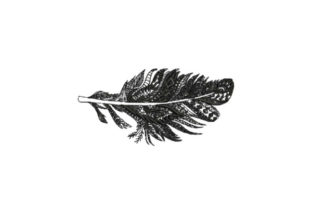
The immediate appeal of Feather Intricate lies in its balance. In the "Intricate Cuts" category, it is easy to find designs that are either too sparse or overwhelmingly dense. This design strikes a sophisticated middle ground. The layout suggests movement without feeling chaotic, which is essential for garment placement. The satin stitch details are particularly noteworthy; they provide a lustrous texture that catches light beautifully, giving the feather dimension rather than appearing flat against the fabric.
From a design asset perspective, this piece carries a distinct visual personality. It feels organic and artisanal, making it an excellent candidate for creators targeting the handmade market. However, those beautiful satin columns require respect. They are not merely decorative lines; they are structural elements that demand proper stabilization to prevent puckering on lighter weight fabrics. When viewing the embroidery file, pay close attention to the underlay. A well-digitized intricate feather should have adequate center-run or edge-walk underlay to anchor those satin stitches before the top thread is laid down.
Real-World Application: The Custom Sweatshirt Test
To truly evaluate Feather Intricate, I approached it with a specific project in mind: a custom embroidered sweatshirt for an Etsy listing. Sweatshirts are a staple for small shop products, but fleece and French terry can be unforgiving with detailed designs. I wanted to see if the intricate details would get lost in the fabric texture or if the design would elevate the perceived value of the garment.
During the stitch-out on a mid-weight cotton fleece, the design performed admirably, provided the right stabilizer was used. I opted for a medium-weight cutaway rather than a tear-away to support the density of the satin stitches. The result was a crisp, professional finish that didn't distort the knit fabric. For fellow Etsy sellers and apparel decorators, this confirms that Feather Intricate is viable for commercial apparel, not just quilting cottons. The boho aesthetic translates perfectly to casual wear, adding a touch of boutique quality that justifies a higher price point than generic clipart embroidery.
I also envision this working exceptionally well as a tote bag design. Canvas provides a stable foundation for intricate cuts, allowing the satin details to shine without the risk of fabric push-and-pull. For those creating personalized gifts or holiday embroidery, placing this feather off-center on a canvas tote creates an immediate focal point that photographs beautifully for social media marketing.
Navigating Fabric Limitations and Hoop Constraints
While versatile, Feather Intricate requires strategic planning regarding where you place it. Not every substrate is suitable for this level of detail. Here are practical cautions based on my review:
- Stretchy Fabrics: If you are attempting this on ribbed knits or high-stretch activewear, proceed with caution. The density required for intricate satin work can fight against the fabric's elasticity. Always use a fusible mesh stabilizer and consider scaling the design slightly to reduce overall density.
- Textured Surfaces: On highly textured fabrics like boucle or thick linen, the fine details of the feather may disappear. This design relies on clean edges. If your fabric has a heavy weave, the running stitch outlines might sink in. Stick to smoother surfaces for maximum clarity.
- Curved Items: While beautiful, this design may be challenging for caps or curved sleeves unless you have a specialized hoop. The geometry of intricate feathers often assumes a flat plane. Distorting it to fit a curved brim could compromise the stitch registration.
- Small Sizes: Be wary of resizing this design down significantly. Satin stitches have a minimum width threshold. If you shrink Feather Intricate below its intended dimensions, those gorgeous columns may turn into jagged lines or cause needle breaks. Always check the minimum recommended size in your software.
Commercial Viability and Brand Consistency
For creative entrepreneurs and craft business owners, consistency is currency. Feather Intricate offers enough character to serve as a signature element across multiple product lines. Because it comes with multiple embroidery variations (as noted in the product specs), you can create cohesive collections. Imagine offering a matching set: a full-size feather on a sweatshirt embroidery project and a scaled-down accent version on a baby bib or pocket detail.
This versatility directly impacts buyer engagement. Customers trust shops that show polished, consistent branding. Using a high-quality digital embroidery file like this ensures your finished products look intentional rather than haphazard. Furthermore, when creating printable mockups or digital product previews for your own listings, the intricate nature of this feather adds visual interest that simple block letters cannot achieve. It signals to the buyer that they are purchasing a premium handmade product.
Essential Designer Notes Before You Stitch
Before you commit Feather Intricate to a final finished product, run through this professional checklist to ensure success:
- Test on Scrap First: Never assume your fabric will behave like the sample. Stitch a test on the exact material and stabilizer combination you plan to use for the final project.
- Check Thread Contrast: Intricate details rely on shadow and light. Test thread colors against your fabric background. Low-contrast threads (e.g., cream thread on white fabric) can make intricate cuts look muddy. High contrast highlights the satin texture.
- Verify Licensing: Since this is intended for commercial use by many makers, double-check the license terms included with the file. Confirm whether you can sell physical items, digital files, or both. Protecting your business starts with respecting intellectual property.
- Review Stitch Density: Open the file in your editing software. If you notice areas where the satin stitches seem excessively packed for your chosen fabric, use density reduction tools sparingly. Over-reducing can ruin the "intricate" look, but leaving it too dense on silk or rayon risks tearing.
- Mockup Validation: Create a black and white mockup alongside a color version. This helps you see the value structure of the design independent of hue, ensuring the feather reads clearly even in monochromatic branding materials.
Final Verdict for Makers
Feather Intricate is more than just a decorative element; it is a technically sound design that rewards careful preparation. Its blend of boho charm and precise satin stitching makes it a valuable addition to any embroiderer's library, particularly for those focusing on apparel and boutique accessories. By respecting the fabric limitations and leveraging its multiple variations, you can transform this embroidery project into a bestseller. Whether you are crafting a custom apparel piece for a client or building inventory for a craft fair, this design delivers the professional polish that discerning customers expect.