Strange Dog Face: A Holiday Embroidery Review
Evaluating Seasonal Appeal for Niche Pet Products
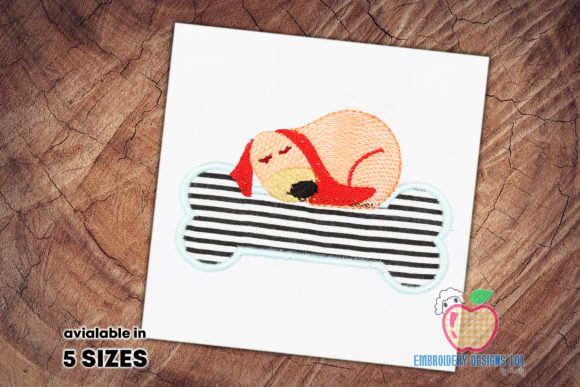
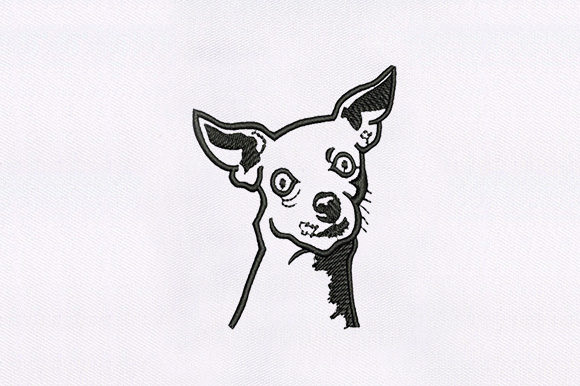
As an experienced embroidery designer curating a seasonal collection, I approach every new machine embroidery design with a critical eye toward marketability and stitch performance. When reviewing the Strange Dog Face design for upcoming holiday product lines, my primary focus is balancing its unique aesthetic with commercial viability. This is not your standard golden retriever or festive pug; this design carries a distinct personality that requires strategic placement. For Etsy sellers and small business owners planning limited-time drops, understanding the emotional tone of this artwork is essential. It leans into the quirky, nostalgic, and slightly eccentric side of pet ownership, making it perfect for buyers who want something different from the mass-produced holiday decor found in big-box stores.
The first impression of Strange Dog Face suggests a playful yet sophisticated mood. It avoids overly cutesy tropes, positioning itself as a modern, conversation-starting piece. This makes it exceptionally strong for adult-oriented holiday embroidery projects rather than just children’s wear. The expression captured in the digitizing evokes humor and warmth, which are key drivers for impulse purchases during the gift-giving season. However, because the subject matter is unconventional, it demands careful consideration regarding fabric texture and application to ensure the "strange" aspect reads as charming rather than confusing on a finished product.
Strategic Applications for Holiday Inventory
When integrating Strange Dog Face into a seasonal catalog, versatility is key. Based on the available file formats including PES, JEF, DST, VP3, and XXX, this design is accessible to almost every machine user, but where you stitch it matters most. For apparel decorators, this design shines on heavyweight garments. I recommend testing this specifically for sweatshirt embroidery on cream, charcoal, or forest green fleece. The weight of the sweatshirt provides a stable canvas that supports the detail often found in facial features, while the darker or muted background colors allow the thread colors to pop without feeling garish against traditional red-and-green holiday palettes.
Beyond apparel, consider the home decor market. Kitchen towel embroidery is a massive category during Q4, but standard dog faces can feel generic. Strange Dog Face offers a witty alternative for tea towels and aprons intended as hostess gifts. The design’s character adds value to what might otherwise be a simple utility item. Similarly, a tote bag design featuring this motif appeals to shoppers looking for reusable gift wrapping or eco-friendly shopping bags for holiday markets. For those creating ornaments or pillow covers, this design serves as an excellent centerpiece for a "pet parent" themed gift bundle. Pairing an embroidered item with a matching printable mockup card or tag can elevate the perceived value of the handmade gift significantly.
Navigating Technical Constraints and Fabric Choices
While the artistic potential is high, technical execution determines customer satisfaction. As a professional, I must advise caution when using Strange Dog Face on certain substrates. Facial designs rely heavily on smooth satin stitches and precise fill patterns to convey expression. Thick terry cloth towels or high-pile fabrics can swallow these details, resulting in a muddy image. If you intend to use this for kitchen linens, opt for flour sack towels or tight-weave cottons rather than plush terrycloth. Always verify the specific hoop size requirements in the file metadata before purchasing, as resizing complex face designs can distort the stitch density and ruin the likeness.
Dark fabrics present another challenge. If stitching on black or navy sweatshirts, plan for a white underlay or knockdown stitch if the design does not already include one. Without proper stabilization and underlay, the top threads may sink into the fabric, losing the definition that makes this design special. Additionally, be wary of stretchy knits. A stabilizer appropriate for the garment's weight is non-negotiable to prevent puckering around the eyes and mouth. For items like baby bibs or stretchy caps, test the design on a scrap piece first. The complexity of a face design means that registration errors are immediately noticeable, unlike simpler shapes or text.
Maximizing Buyer Emotion and Shop Engagement
In the competitive landscape of seasonal embroidery, emotional connection drives sales. Strange Dog Face taps into the trend of "ugly-cute" or eccentric pet aesthetics that perform well on social media. When creating listings, do not just show the digital file. Buyers need to see how this translates to reality. Use realistic mockups that reflect the holiday atmosphere—think warm lighting, pine branches, or cozy knit textures in the background. This helps customers visualize the finished product as part of their own holiday traditions. For Etsy shop owners, highlighting the uniqueness of this design in your tags and titles can capture traffic from buyers specifically searching for alternative pet gifts or funny holiday decor.
Trust is built through transparency and quality. Since this is a digital embroidery file, clearly list all included formats (10O, ART, CND, DSB, DST, DSZ, EXP, HUS, JEF, PCS, PEC, PES, TAP, VIP, VP3, XXX) in your product description. Customers appreciate knowing immediately if their machine is compatible. Furthermore, address the "strange" aspect positively in your copy. Frame it as "whimsical," "character-filled," or "vintage-inspired." This linguistic shift aligns buyer expectations with the actual output. If offering this as part of a commercial embroidery service, ensure you have confirmed licensing rights for selling finished goods, as this protects both your business and the original digitizer.
Designer Notes for Production Success
Before launching Strange Dog Face in your holiday collection, adhere to these practical production guidelines:
- Thread Color Testing: Never assume screen colors match reality. Stitch out a sample on both light and dark fabric to adjust shading. Facial expressions depend entirely on contrast between highlight and shadow threads.
- Density Check: Review the stitch density in your software. If the design feels too stiff for a sweatshirt, reduce density slightly to maintain drape. If it looks sparse on a tote bag, increase it to prevent fabric show-through.
- Stabilizer Selection: Match stabilizer to fabric, not just design size. Cutaway for knits, tear-away for wovens, and water-soluble toppings for any textured surfaces to keep stitches crisp.
- Small Detail Verification: After stitching, inspect small elements like eye highlights or whiskers. If they are lost, edit the file to enlarge them slightly or change the stitch type to a running stitch for better definition at smaller sizes.
- Palette Planning: Create three distinct colorways: Traditional Holiday (reds/greens), Winter Neutral (creams/grays/blues), and Vibrant Modern. This triples your listing potential without extra digitizing work.
- Mockup Accuracy: Ensure your printable mockup reflects the actual stitch texture. Flat vector graphics can mislead buyers expecting the sheen and dimension of real embroidery thread.
Ultimately, Strange Dog Face is a valuable asset for the discerning embroidery entrepreneur. It bridges the gap between niche pet enthusiasm and broad seasonal appeal. By respecting the technical requirements of facial digitizing and marketing the design’s unique character, you can transform a simple embroidery file into a best-selling holiday staple. Whether used for a personalized gift, a limited-edition patch, or a cozy pillow cover, this design offers the kind of distinctive charm that turns casual browsers into loyal customers during the busiest shopping season of the year.