Semi Tractor Trailer Embroidery Review
As an experienced embroidery designer preparing for a busy weekend craft fair, I approach every new machine embroidery design with a critical eye. It is not enough for a digitized file to simply look good on a computer screen; it must translate into a profitable craft fair product that catches the attention of shoppers walking past my booth. When evaluating the Semi Tractor Trailer design for my upcoming market lineup, I am looking for versatility, stitch integrity, and commercial viability. This review breaks down how this specific transportation motif performs in real-world production scenarios for Etsy sellers, boutique makers, and creative entrepreneurs.
First Impressions: Bold Utility and Niche Appeal
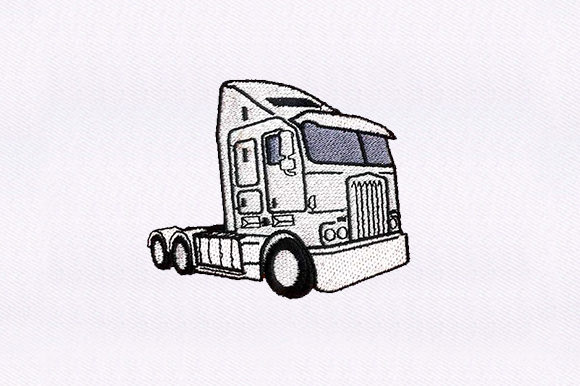
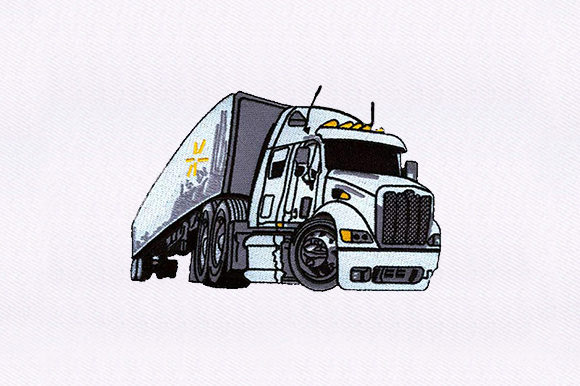
My immediate reaction to the Semi Tractor Trailer design is that it carries a bold, utilitarian aesthetic. Unlike soft florals or minimalist line art, this design commands space. It feels masculine, industrial, and distinctly American, making it a strong contender for niche markets. In the context of handmade goods, transportation themes often get overlooked in favor of generic seasonal decor, which actually presents a unique opportunity. Shoppers looking for trucker gifts, logistics industry memorabilia, or rustic farmhouse accents are often underserved at craft fairs.
The description notes that this is a detailed embroidery intended for various fabrics. From a designer’s perspective, "detailed" in transportation embroidery usually implies defined tire treads, grill work, and cab contours. This level of detail suggests a premium feel rather than a cartoonish appliqué style. For a booth display, this design signals quality craftsmanship. It tells the customer that I am offering specialized design assets rather than generic clipart, which helps justify a higher price point for finished goods.
Best Selling Applications for Market Booths
Determining where to place the Semi Tractor Trailer design is crucial for inventory planning. Not every blank is suitable for heavy machinery motifs. Based on current market trends and practical stitching considerations, here is how I would prioritize products for a weekend sale:
- Caps and Hats: This is arguably the strongest application. The structured front panel of a trucker cap or baseball hat provides the perfect canvas for a semi-truck profile. The curved surface complements the horizontal lines of the trailer. As a commercial embroidery product, embroidered caps have high perceived value and are easy to display at eye level.
- Tote Bags and Market Bags: A canvas tote bag design featuring a semi-truck appeals to a demographic that appreciates industrial chic. Heavyweight canvas handles the stitch density of a detailed vehicle without puckering. These serve as excellent walking advertisements at the fair itself.
- Embroidered Patches: Creating standalone patches allows for batch production. You can stitch out multiple Semi Tractor Trailer units on a single hooping using water-soluble stabilizer. These become low-cost add-on items or stocking stuffers that increase average transaction value.
- Aprons: For BBQ enthusiasts or mechanics, an apron embroidery featuring this rig adds personality. Denim or twill aprons provide the necessary stability for complex designs and align perfectly with the rugged theme.
I would be cautious about using this specific design on delicate tea towels unless the digitization is confirmed to be lightweight. Standard tea towel embroidery often requires lighter fills to prevent the fabric from becoming stiff or distorting during washing. Always verify the design's weight before committing to linen blanks.
Production Practicality and Visual Clarity
For small shop owners and digital sellers, time is money. The Semi Tractor Trailer design needs to be efficient to produce. When reviewing the embroidery file, I look for clean color changes and logical stitch paths. Excessive jumps and trims slow down production and increase the risk of thread breaks during a high-volume craft fair prep week.
Visually, this design must read clearly from a distance. At a crowded market, customers scan tables quickly. If the Semi Tractor Trailer relies on tiny text or microscopic details to be recognizable, it will fail as a booth attraction. The silhouette should be distinct even when viewed from five feet away. This visual clarity also translates to online sales. When creating a printable mockup or listing photos for Etsy, high-contrast designs photograph better. The mechanical lines of a tractor-trailer naturally create shadows and depth in photos, making the finished product pop in thumbnail images without excessive editing.
Critical Use Notes for Makers
While the Semi Tractor Trailer is a versatile asset, there are technical constraints that every embroiderer must respect to avoid wasted blanks:
- Fabric Texture Compatibility: Detailed transportation designs often suffer on highly textured fabrics like terry cloth or loose-weave burlap. The intricate grill work and wheel details can get lost in the pile. Stick to smooth, tightly woven fabrics or use a topping stabilizer if texture is unavoidable.
- Stitch Density Management: Vehicle designs can be stitch-heavy. If you are stitching on dark fabric, ensure your underlay is sufficient to prevent the fabric grain from showing through the satin stitches. Conversely, check that the density isn't so high that it creates a bulletproof patch effect on lightweight shirts.
- Size Limitations: Do not assume this design scales infinitely. Reducing a detailed semi-truck below 3 inches may result in muddy details where tires merge with mudguards. Test the minimum viable size before offering it as a pocket logo or sleeve accent.
- Curved Surfaces: When hooping caps, the distortion is inevitable. Ensure the digitizer has accounted for the curve of a hat brim. A flat-design file stitched on a curved cap can cause registration errors where the cab separates from the trailer.
Designer Checklist Before Production
Before I load the Semi Tractor Trailer into my machine for a production run, I complete a mandatory verification process. This ensures brand consistency and prevents costly mistakes.
- Verify Specifications: Since exact specs vary by source, always confirm the hoop size, final dimensions, and format compatibility with your specific machine before purchasing or stitching. Never guess on hoop requirements.
- Test Stitch on Scrap: Run a full test on the exact fabric you intend to sell. Check for registration issues between the outline and fill stitches. Adjust tension if the metallic or specialty threads required for chrome effects are causing friction.
- Evaluate Thread Contrast: Semi-trucks often feature silver, black, and red. Ensure your thread colors offer enough contrast against your chosen blank. A grey truck on a charcoal shirt will disappear; consider outlining in white or using a brighter background.
- Confirm Licensing: As a business owner, protecting your shop is paramount. Verify that the digital embroidery file includes commercial licensing for selling physical products. Some designers restrict usage to personal projects only.
- Create Physical Mockups: Digital renderings do not tell the whole story. Stitch at least one sample to assess the hand-feel. If the design is too stiff for a baby onesie but perfect for a backpack, pivot your product strategy accordingly.
Enhancing Booth Engagement and Value
Ultimately, the Semi Tractor Trailer design is more than just stitches; it is a conversation starter. At a craft fair, this design attracts a specific buyer who is passionate about their profession or hobby. By positioning this handmade product alongside complementary items—perhaps matching keychains or garage signs—you create a cohesive collection that encourages bundled purchases.
For Etsy sellers, this design offers excellent SEO potential within the transportation niche. Using tags related to trucker gifts, mechanic apparel, and logistics decor can drive targeted traffic. The key is presenting the Semi Tractor Trailer not just as a picture of a truck, but as a symbol of hard work and pride. When customers see that level of intentionality in your small shop product, they recognize the value of handmade quality over mass-produced alternatives. Whether used as a focal point on a tote bag or a subtle accent on a cap, this design has the potential to be a reliable bestseller for makers who understand their audience and respect the technical demands of machine embroidery.