Camel Embroidery Design: A Seller’s Product Review
As an Etsy seller and small business owner, finding the right machine embroidery design is about more than just liking a picture. It is about envisioning how that digital file will translate into a tangible, sellable product that customers actually want to buy. When browsing Creative Fabrica embroidery collections for my next seasonal lineup, I look for versatility, stitch quality, and commercial appeal. The Camel design caught my eye as a potential addition to my animal-themed inventory, and after evaluating its specifications and potential applications, I see significant value for fellow handmade product sellers looking to expand their offerings.
Evaluating Visual Appeal and Market Niche
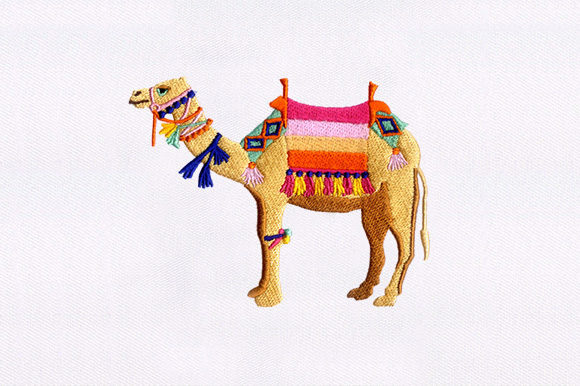
The first question I always ask when reviewing a new embroidery file is: "Who is this for?" Animals are a perennial bestseller in the craft business, but the specific vibe of the artwork dictates the product line. This Camel design strikes a balance between whimsical and classic. It does not feel overly cartoonish, nor is it strictly realistic. This middle ground is excellent for commercial embroidery because it appeals to a broad demographic. It feels rustic enough for farmhouse-style kitchen towel embroidery yet playful enough for baby embroidery projects or custom apparel for toddlers.
For Etsy sellers focusing on personalized gifts, this design offers a unique alternative to the standard dogs, cats, and horses that saturate the market. A camel evokes travel, adventure, and warmth, making it particularly suitable for boho-chic aesthetics or nursery themes. When planning your shop's visual identity, consider whether this design aligns with your current brand voice. If you sell earthy, neutral-toned tote bags or linen aprons, this motif could serve as a perfect anchor piece for a new collection.
Technical Versatility Across File Formats
One of the strongest selling points of this digital embroidery file is the extensive format compatibility. As someone who has used multiple machine brands over the years, I appreciate not having to convert files manually, which can sometimes alter stitch density or cause registration issues. This package includes PES, DST, JEF, HUS, VP3, XXX, and many others including ART and EXP. Whether you are running a multi-needle commercial machine for high-volume sweatshirt embroidery or a single-needle hobby machine for bespoke patches, you likely have a native format available here.
However, before you hit download, always verify the specific hoop size requirements listed on the Creative Fabrica product page. While the formats are universal, the physical dimensions are fixed. Ensure the design fits within your machine’s maximum embroidery area without requiring resizing that might compromise the integrity of the stitch pattern. For those creating embroidered patches, confirm if the design includes a proper border or merrow edge simulation, or if you will need to add that element yourself in your digitizing software.
Strategic Product Applications for Small Businesses
When integrating Camel into my production schedule, I categorize potential products by profit margin and production time. Here is how I would deploy this design across different categories:
- Tote Bag Design: Canvas totes are a staple for craft fairs. This design works beautifully centered on natural cotton canvas. The texture of the fabric complements the organic nature of the animal subject.
- Sweatshirt Embroidery: For custom apparel, placement is key. This design would work well as a left-chest logo on crewnecks or centered on youth-sized hoodies. Always test stitch density on fleece fabrics to prevent puckering.
- Kitchen Towel Embroidery: Flour sack towels are low-cost blanks with high perceived value. A camel motif adds a touch of exotic charm to standard kitchen linens, distinguishing them from generic big-box store options.
- Baby Embroidery: Soft blankets and bibs require careful stabilizer choices. This design’s aesthetic suits gender-neutral nursery palettes, allowing you to target parents looking for non-traditional animal themes.
- Embroidered Patches: If the size permits, this can be stitched onto felt or twill backing for iron-on patches. These are excellent low-shipping-cost items for Etsy shops.
Production Notes: Testing and Quality Control
I cannot stress this enough: never list a finished product based solely on a digital preview. Every machine handles tension differently, and every fabric reacts uniquely to needle penetration. Before listing any item featuring Camel, you must create a sample stitch-out. This step is non-negotiable for maintaining professional standards in your craft business.
During your test run, pay close attention to the following technical aspects:
- Stabilizer Selection: Test the design on your intended end-product fabric. If stitching on a stretchy sweatshirt, use a cut-away stabilizer. For woven tote bags, a tear-away might suffice. Incorrect stabilization leads to distorted designs and unhappy customers.
- Thread Colors: Digital previews often use generic colors. Experiment with variegated threads or matte finishes to elevate the look. A camel design might benefit from warm terracotta, sand, or olive tones rather than standard bright browns.
- Stitch Density Check: Run your finger over the sample. Is it bulletproof and stiff, or soft and pliable? If the design is too dense for apparel, it may be uncomfortable to wear. You may need to adjust density settings in your software if the provided file is too heavy for lightweight garments.
- Registration Accuracy: Look for gaps between outline stitches and fill areas. Poor registration makes a handmade product look amateur. If you see gaps during testing, try a fresh needle or adjust your machine’s tension before blaming the digitizer.
Marketing and Merchandising Your Finished Products
Once you have confirmed the stitch quality, focus on presentation. In the world of online sales, photography sells the product, not just the design itself. Avoid relying exclusively on printable mockup images. While mockups are useful for showing color variations quickly, real photos of the embroidered item build trust. Photograph the Camel design on a real tote bag draped over a chair, or on a child’s sweater in natural light. Shoppers want to see how the thread sheen interacts with the fabric texture.
When writing your Etsy listings, highlight the uniqueness of the design. Instead of just tagging "animal embroidery," use long-tail keywords derived from the design’s personality. Terms like "boho nursery decor," "desert theme baby gift," "travel lover tote," or "safari party favor" connect the specific visual of the camel to actual buyer intent. Explain in your description that this is a professionally stitched design, emphasizing the quality of materials and the care taken in production.
Licensing and Commercial Considerations
Finally, responsible selling requires understanding your rights. Creative Fabrica generally offers generous licensing for small businesses, but terms can change or vary by designer. Before selling any finished product featuring Camel, review the specific license included with your download. Confirm that you are permitted to sell physical items made with this machine embroidery design. Most licenses allow for unlimited physical sales but prohibit selling the digital embroidery file itself or sharing it with other stitchers.
Respecting these terms protects your business and supports the digitizers who create the assets we rely on. Keep a record of your purchase and license terms in your business files. This due diligence ensures that as your shop grows, your foundation remains solid and ethical.
Final Thoughts for Creative Entrepreneurs
The Camel design represents a strong opportunity for sellers willing to put in the testing and creative effort. Its broad file compatibility makes it accessible, while its distinctive aesthetic allows for niche marketing in a crowded animal category. By combining technical diligence with strategic product placement, this design can become a profitable asset in your embroidery business. Remember that success comes not just from buying the file, but from how thoughtfully you execute, photograph, and market the final handmade product. Happy stitching and successful selling!